Introduction
Stress is an unavoidable part of modern life—whether from work, relationships, or daily responsibilities. While short-term stress can sometimes boost motivation, chronic stress harms both body and mind. The key isn’t to avoid stress completely, but to manage it effectively with healthy daily practices.
1. How Stress Affects the Body and Mind
Stress is more than just a bad mood; it impacts the entire body.
- Physical effects: headaches, insomnia, indigestion, high blood pressure
- Mental effects: anxiety, depression, loss of focus, low motivation
- Long-term risks: chronic stress may lead to heart disease, diabetes, and weakened immunity
2. Recognize the Warning Signs
Identifying stress early helps prevent long-term damage. Watch for:
- Irritability or frequent frustration
- Difficulty concentrating
- Trouble sleeping
- Irregular eating patterns
- Feeling anxious over small issues
3. Calm the Mind with Breathing and Meditation
Deep, slow breathing activates the parasympathetic nervous system, lowering stress levels.
- Practice diaphragmatic breathing for 5 minutes daily
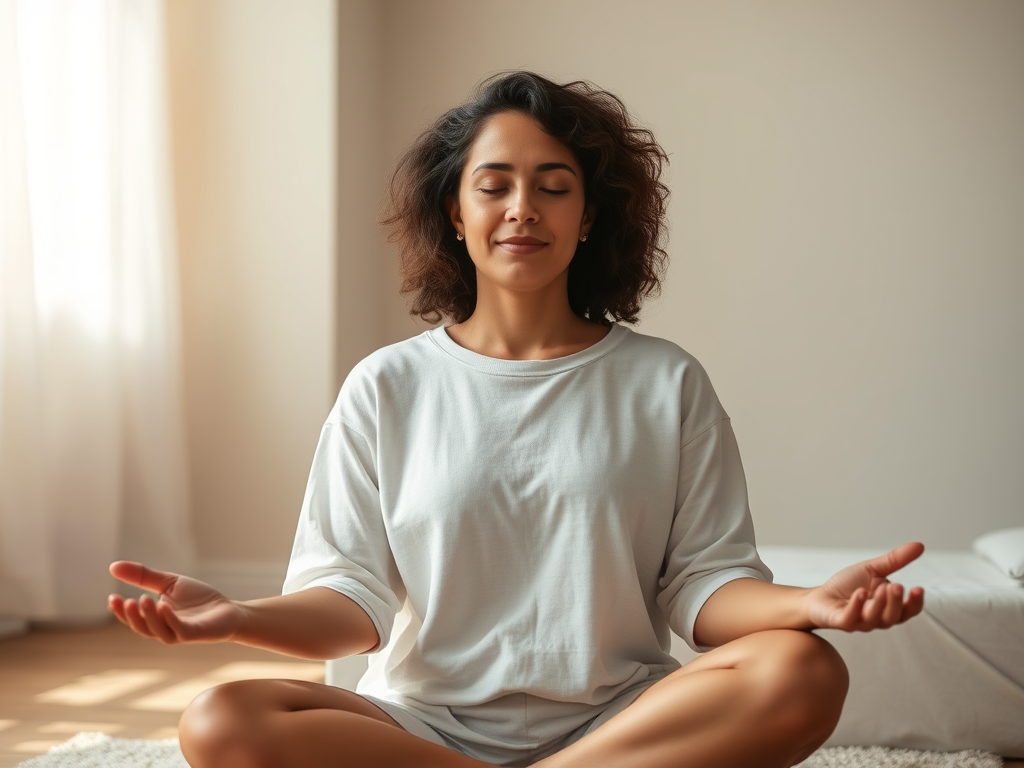
- Meditation helps you focus on the present, reducing anxiety and increasing emotional stability

4. Exercise as a Stress Reliever
Exercise triggers endorphins—the body’s natural “happy chemicals.”
- Jogging, yoga, pilates, or swimming help release tension
- Even a 20-minute daily walk can significantly reduce stress
5. Small Habits to Release Stress
- ✍️ Journaling: organize your thoughts on paper
- 🎨 Hobbies: music, painting, or cooking add joy and relaxation
- 🛋 Rest space: create a quiet corner at home for mental recovery
- 📵 Digital detox: limit screen and social media time to reduce overstimulation
6. Use Social Support
Don’t handle stress alone. Talking with family, friends, or colleagues provides comfort.
Seeking professional counseling is also a strong choice—not weakness. Experts can provide objective solutions tailored to your situation.

7. Train Positive Thinking
Stress can’t be eliminated, but perspective matters.
- Example: “This project is stressful, but it’s an opportunity to grow.”
- Positive thinking is about finding meaning and solutions even in difficulties.
8. Build a Stress-Resistant Lifestyle
- Eat a balanced diet with more vegetables and less sugar/caffeine
- Get consistent, quality sleep
- Reduce alcohol and smoking—they worsen long-term stress
Conclusion
Stress will always exist, but how you respond determines your health and happiness. Breathing, meditation, exercise, journaling, and social support are powerful ways to protect both body and mind. Start small—five minutes of breathing or a short walk each day. Over time, these habits build resilience and peace in your daily life.
 THEDNF's blog
댓글 남기기