Introduction
“You are what you eat” is not just a saying—it’s a reality. The food we consume directly impacts both physical and mental health. In today’s fast-paced world, processed foods and irregular eating habits are common, but they can lead to chronic illness and low energy. Let’s explore how balanced eating habits create long-lasting health.
1. The Basics of a Balanced Diet
A healthy diet is not about short-term dieting but sustaining body and mind at their best.
- Carbohydrates: main energy source; choose whole grains, sweet potatoes, brown rice
- Protein: builds and repairs muscles; include fish, eggs, beans, tofu, lean meats
- Healthy fats: omega-3s from nuts, olive oil, avocado support heart health
- Vitamins & minerals: boost immunity and regulate metabolism; get them from seasonal fruits and vegetables
👉 The key is variety, not focusing on a single nutrient.

2. Reduce Processed Foods
Convenience foods often contain too much sodium, sugar, and unhealthy fats. Over time, they:
- Increase risk of hypertension, obesity, diabetes, and heart disease
- Provide low satiety but high calories
- Cause nutritional imbalances
💡 Try cooking at least one fresh meal daily. Even small changes bring big health improvements.
3. Importance of Meal Timing
What you eat matters—but when and how you eat is equally important.
- Regular meals stabilize metabolism
- Avoid late-night overeating; it disrupts digestion and sleep
- Breakfast jumpstarts metabolism and fuels the brain
For busy people, even simple options like fruit, salad, or nuts are better than skipping meals.
4. Don’t Forget Hydration
Water is often overlooked in nutrition. Since 60–70% of the body is water, hydration is essential.
- Improves circulation
- Helps flush toxins
- Supports skin elasticity
- Boosts focus and concentration
Aim for 1.5–2 liters daily, and replace soda or energy drinks with water or herbal tea.
5. Food and Mental Health
Nutrition influences mood and brain health:
- Omega-3 fish → reduces depression symptoms
- Nuts & dark chocolate → lowers stress
- Fruits & vegetables → boost cognitive function
Balanced eating stabilizes energy and mood, enhancing overall quality of life.
6. Practical Nutrition Tips
- Shop for fresh produce first
- Add at least one vegetable dish to every meal
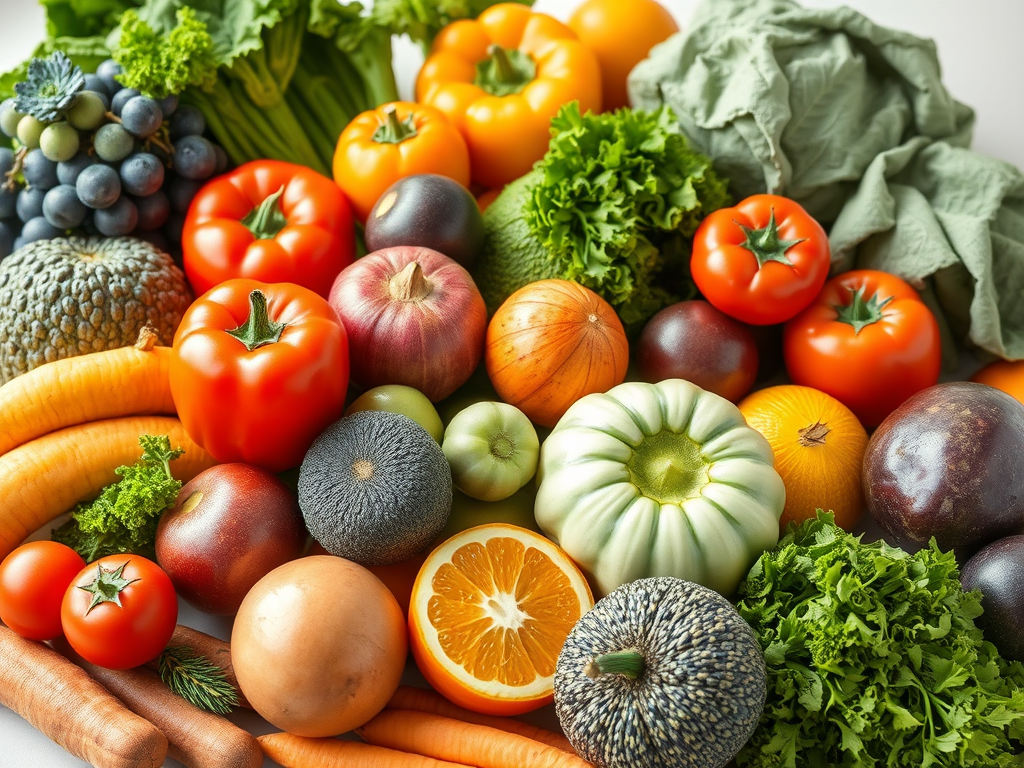
- Eat colorful meals with diverse vegetables and fruits
- Practice portion control—stop at 70–80% full
- Replace sugary snacks with nuts or yogurt

7. Nutrition for Special Situations
- Weight loss: focus on protein and vegetables instead of skipping meals
- Pregnancy: ensure folic acid, iron, and calcium intake
- Seniors: choose easily digestible foods, add vitamin D and calcium
- Teenagers: support growth with sufficient protein and calcium
Conclusion
A healthy diet is not a short-term project but a sustainable lifestyle. By reducing processed foods, choosing fresh ingredients, eating at regular times, and staying hydrated, you can protect both body and mind. Start today with one conscious food choice—it’s an investment that pays lifelong health dividends.
 THEDNF's blog
댓글 남기기