• Introduction

    Fashion is not just about clothes—it’s a language, an art, and a lifestyle. The right outfit builds confidence, influences first impressions, and expresses individuality. This guide shares timeless fashion principles, seasonal styling ideas, and tips for finding your unique style.

    1) Why Fashion Matters

    • Shapes first impressions instantly
    • Boosts confidence and self-image
    • Expresses individuality and personality
    • Signals professionalism and social identity
    Model wearing a trench coat with jeans and sneakers in spring

    2) Core Fashion Principles

    Body Shape Awareness

    • Petite → vertical lines, slim fit
    • Tall → balanced upper & lower proportions
    • Slim → layered outfits for volume
    • Curvy → dark tones, clean designs

    Color Matching

    • Neutrals (black, white, navy) fit any outfit
    • Bright accents (red, yellow) work best in accessories
    • Seasonal tones: spring (pastels), summer (cool brights), autumn (browns, camel), winter (deep green, burgundy)

    Fabric Choice

    • Summer: linen, cotton
    • Winter: wool, cashmere
    • Year-round: denim, polyester

    3) Seasonal Styling Ideas

    🌸 Spring

    • Trench coat + jeans + white sneakers
    • Pastel knit + pleated skirt

    ☀️ Summer

    • Linen shirt + tailored trousers
    • Light dress + sandals + rattan bag

    🍂 Autumn

    • Knit + check blazer + denim
    • Leather jacket + black pants

    ❄️ Winter

    • Wool coat + scarf + ankle boots
    • Puffer jacket + hoodie + jogger pants
    Professional office outfit with blouse, skirt, and jacket

    4) Office Fashion Tips

    • Men: shirt + slacks + blazer
    • Women: blouse + H-line skirt + jacket
    • Casual Friday: knitwear + jeans + loafers
      👉 Neat and simple looks build trust.

    5) Accessories & Details

    • Watches: subtle elegance
    • Bags: balance function + design
    • Shoes: define the overall style
    • Jewelry: minimal yet impactful accents

    6) Finding Your Own Style

    • Keep a fashion diary with outfit photos
    • Analyze icons (actors, designers) for inspiration
    • Experiment with new colors & patterns
    • Ask friends for honest feedback
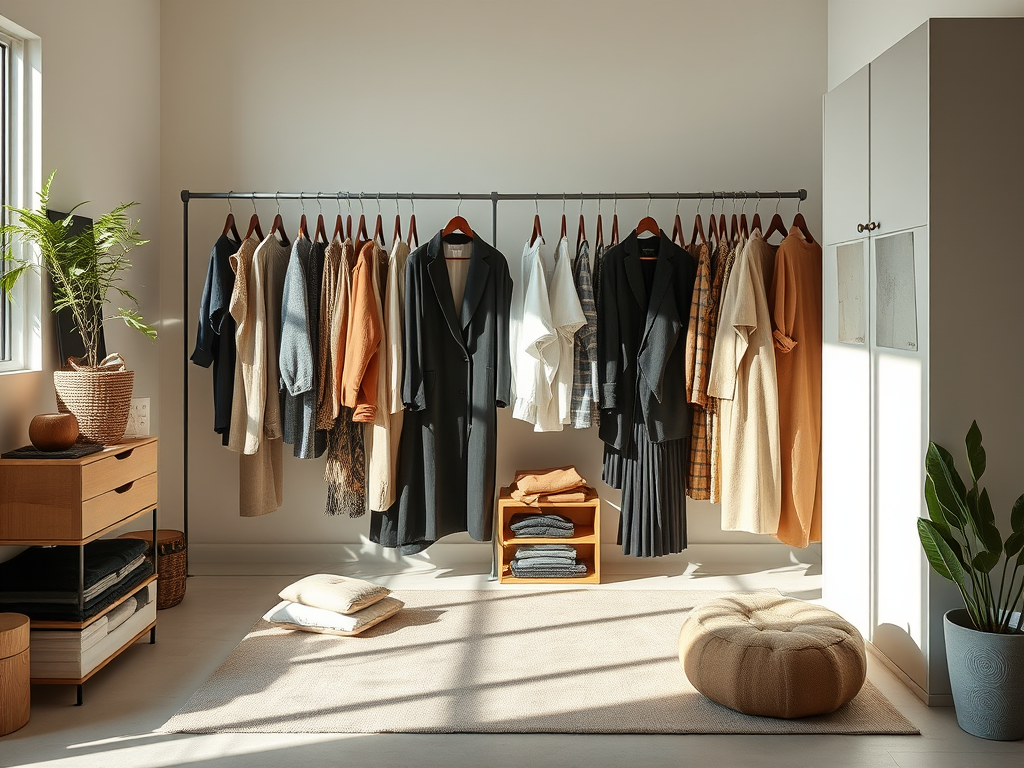
    Minimalist wardrobe with eco-friendly clothing

    7) Sustainable Fashion

    • Choose high-quality, long-lasting clothing
    • Sell or donate unused items
    • Support eco-friendly & ethical brands

    8) Fashion & Lifestyle Connection

    • Active lifestyle → sporty outfits
    • Minimalist lifestyle → monochrome & simple lines
    • Creative professions → bold colors & unique patterns

    Conclusion

    Fashion has no single “right answer.” The goal is not to follow trends blindly but to discover outfits that bring out confidence and authenticity. Start today by wearing your favorite piece—it may be the key to expressing your true self.




  • Introduction

    Home is not just a shelter—it’s the foundation of lifestyle, mood, and productivity. With the right interior choices, your space can improve well-being, efficiency, and self-expression. This guide shares essential principles, style inspirations, and easy upgrades for impactful home decor.

    Minimalist living room with white sofa and clean decor

    1) Why Home Decor & Interior Matter

    • Psychological stability → a cozy space reduces stress
    • Self-expression → interiors reflect lifestyle and taste
    • Efficiency → organized design improves daily life
    • Satisfaction → even small updates can elevate quality of living

    2) Interior Basics

    Color Harmony

    • Limit to 3 main tones for balance
    • Warm tones → cozy | Cool tones → sleek

    Space Utilization

    • Small rooms → maximize storage
    • Large rooms → divide zones by function

    Lighting Design

    • Combine general, ambient, and accent lighting
    • Warm light for comfort, cool light for focus

    3) Popular Interior Styles

    🌿 Minimalism

    • Fewer furniture pieces, focus on essentials
    • White/gray palette, hidden storage for clean visuals

    🎨 Scandinavian

    • Wooden furniture + pastel accents
    • Textured fabrics and indoor plants for warmth

    🖤 Industrial

    • Exposed concrete, metal furniture, darker tones
    • Vintage lamps and rustic details for character

    🌸 Natural Style

    • Wood, linen, greenery
    • Sunlight emphasis, family-friendly layout
    Scandinavian style bedroom with wooden furniture and soft lighting

    4) Room-by-Room Tips

    Living Room

    • Sofa + table as focal point
    • Replace TV with bookshelf or artwork as accent

    Kitchen

    • Optimize workflow with functional layout
    • Use shelves/hooks for tidy storage

    Bedroom

    • Soft lighting and neutral bedding for calm atmosphere
    • Curtains to set mood and privacy

    Home Office

    • Minimal design for focus
    • Desk-side lamp for comfort

    5) Small Changes, Big Impact

    • Switch cushions & rugs by season
    • Add indoor plants for freshness & air purification
    • Decorate walls with frames, posters, or fabric art
    • Use candles & diffusers for inviting scents
    Minimal home office with desk, chair, and warm lamp lighting

    6) Interior Trends

    • Smart Home: IoT lights & appliances for convenience
    • Upcycling: recycled furniture & eco-decor
    • Multi-functional Spaces: home café, home gym, home office
    • Sustainable Living: eco-friendly materials & energy-saving designs

    7) Interiors & Lifestyle

    • Your space mirrors your lifestyle and mindset
    • Organizing enhances productivity & peace of mind
    • Personal taste reflected in design builds identity

    Conclusion

    Home decor and interior design are not about luxury—it’s about lifestyle and well-being. Start small: change a cushion, adjust lighting, or place a plant. Tiny upgrades transform your space, and in turn, transform your life. A better space always leads to a better life.


  • Introduction

    In today’s busy world, many people lose time for themselves. Yet, leisure and hobbies are not just fun—they are investments in stress relief, creativity, and life satisfaction. This guide explores indoor and outdoor hobby ideas, their benefits, and tips for consistency.

    Family hiking in nature as a weekend hobby

    1) Why Leisure & Hobbies Matter

    • Stress relief through enjoyable activities
    • Creativity boost by stimulating the brain
    • Stronger relationships through shared hobbies
    • Mental stability via flow and immersion

    2) Indoor Hobby Ideas

    • Reading: Expands knowledge and imagination
    • Art & Calligraphy: Express creativity
    • Music: Playing piano, guitar, or drums for joy and achievement
    • Cooking & Baking: Creative and delicious self-care
    • DIY Crafts: Handmade items and personal creations

    3) Outdoor Hobby Ideas

    • Hiking & Trekking: Nature + fitness
    • Cycling & Running: Endurance and discipline
    • Photography: Capture landscapes, people, moments
    • Camping & Glamping: Relax in nature
    • Sports: Soccer, basketball, badminton for teamwork

    4) Fresh Hobby Inspirations

    • Drone flying: Explore the sky from a new view
    • Board & card games: Mental challenge + bonding
    • Language learning: Fun and useful skill
    • Volunteering: Meaningful contribution
    • Writing & Blogging: Self-expression + personal brand
    Person painting on canvas as a creative indoor hobby

    5) Positive Effects of Hobbies

    • Physical: Improves fitness, healthy habits
    • Mental: Reduces stress, boosts focus
    • Social: Builds networks via hobby groups
    • Personal growth: A hobby can become expertise or career

    6) How to Keep Hobbies Consistent

    • Schedule hobby time in your calendar
    • Start small (e.g., 1 book a month, 1 workout per week)
    • Join communities for motivation
    • Focus on the process, not just results

    7) Enriching Your Free Time

    • Digital detox: Less social media, more real activity
    • Family time: Shared hobbies for stronger bonds
    • Solo time: Reflection and recharge
    • Experience-based spending: Invest in travel, events, skills

    8) Lifestyle Connection

    • Hobbies shape your lifestyle
    • Art → creative career
    • Exercise → long-term health habit
    • Writing → personal branding
    Friends camping outdoors enjoying free time together

    Conclusion

    Leisure and hobbies are not wasted time—they are valuable investments for a fulfilling life. Even 30 minutes a day for your hobby can boost health, creativity, and happiness. Start small today, and over time, it will enrich your lifestyle.


  • Introduction

    Pets are not just animals—they are family. Like humans, they feel joy, sadness, and stress, and they need consistent care. Proper pet care prevents disease, strengthens bonds, and ensures a safe, happy life together.

    1) Why Pet Care Matters

    • Health: Prevent illness with regular checkups.
    • Emotional stability: Love and attention directly affect pet happiness.
    • Safety: A safe environment prevents accidents.
    • Bonding: Care routines strengthen the pet-owner relationship.
    Golden retriever dog getting a health checkup at a veterinary clinic

    2) Basic Health Care

    • Checkups: Dogs 1–2 times a year; indoor cats still need regular vet visits.
    • Vaccines: Rabies, core vaccines; extras depending on environment.
    • Parasite control: Monthly deworming & heartworm prevention.

    3) Nutrition Management

    • Choose food based on age, weight, and health condition.
    • Treats ≤ 10% of daily calories.
    • Provide fresh water always—cats especially need multiple bowls or fountains.

    4) Hygiene Care

    • Bathing: Dogs once/twice a month; cats only as needed.
    • Brushing: Prevent matting, maintain skin health.
    • Nail trimming: Prevent joint and mobility issues.
    • Dental care: Use dental chews, brushing when possible.
    Indoor cat drinking clean water from a pet fountain

    5) Exercise & Play

    • Dogs: 30–60 minutes of walking daily.
    • Cats: Play with towers, scratchers, toys.
    • Enrichment: Balls, laser pointers, puzzle feeders.
      ➡ Lack of activity = obesity & stress.

    6) Environment Management

    • Pet-proof home: hide wires, remove small objects.
    • Resting spots: comfy dog beds, tall cat towers & hiding spaces.
    • Temperature care: protect from heat in summer, cold in winter.

    7) Behavior Training

    • Toilet training with rewards, not punishment.
    • Socialization: gradual exposure to people & environments.
    • Behavior issues (barking, scratching, biting) → find root cause, not scolding.
    Pet owner playing fetch indoors with a happy dog

    8) Owner Mindset

    • Responsibility: Pets are lifetime family, not a hobby.
    • Love & attention: Care beyond food—bonding is key.
    • Learning: Keep studying pet health & behavior to improve care.

    Conclusion

    Caring for a pet means taking responsibility for their health and happiness. Go beyond feeding—include wellness, play, safety, and emotional care. With small, consistent acts of love, your bond with your furry family will grow stronger every day.


  • Introduction

    Clutter steals time, space, and mental energy. Minimalism isn’t about empty rooms; it’s about removing the non-essential so the essential can shine. Here’s a clear, practical guide to declutter your home and mind.

    Minimalist living room with natural light, neutral sofa, and clutter-free shelves

    1) What Decluttering & Minimalism Mean

    • Decluttering: Remove what you don’t need and return necessities to their place.
    • Minimalism: Reduce the unnecessary and focus on what truly matters.
    • It’s not just cleaning—it’s a reset for your lifestyle and mindset.

    2) Why You Need It

    • Save time: No more hunting for lost items.
    • Lower stress: Clean spaces calm the brain.
    • Spend wisely: Avoid duplicate purchases and impulse buys.
    • Improve quality of life: More focus on health, hobbies, and relationships.

    3) Core Decluttering Principles

    1. Small scopes win → One drawer, one shelf, one category.
    2. Use-it test → Not used in 12 months? Donate, sell, or recycle.
    3. Category-first → Clothes → books → kitchenware → papers → sentimental.
    4. Smart storage → Prioritize easy access when needed over “display.”

    4) Minimalism in Practice

    Wardrobe Diet

    • Remove anything unworn for a year.
    • Keep a neutral capsule: white shirt, jeans, black jacket, comfy shoes.

    Digital Minimalism

    • Delete unused apps, unsubscribe from promo emails, limit SNS time.
    • Folder your home screen; turn off non-essential notifications.

    Conscious Spending

    • Cart-and-wait for 24 hours.
    • Buy quality over quantity; prefer experiences to things.
    Capsule wardrobe flat lay of neutral clothing essentials on a bed

    5) Room-by-Room Ideas

    • Living Room: Fewer decor items; choose multi-purpose furniture.
    • Kitchen: Remove duplicates (extra spatulas, cups); keep counters clear.
    • Bedroom: Minimal furniture, warm light, no “chair of doom” for laundry.
    • Study: Donate unread books, switch to ebooks/notes, cable management.

    6) Benefits You’ll Feel

    • Lighter home → more open space.
    • Lighter mind → better sleep and focus.
    • Lower spending → only buy what aligns with your values.
    • Higher productivity → fewer distractions.

    7) Make It Sustainable

    • One-in, one-out rule.
    • Seasonal audits (spring/fall).
    • Weekly 10-minute resets.
    • Share goals with family so habits stick.
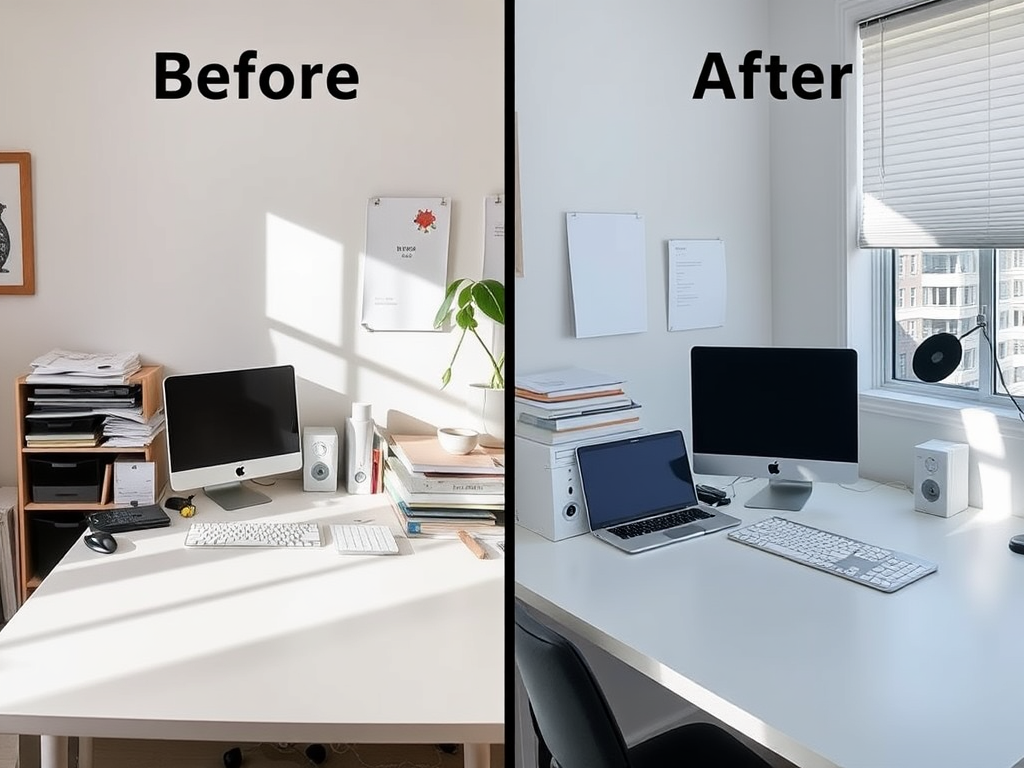
    Before and after comparison of a decluttered home office desk

    8) Life Changes You Can Expect

    • Simpler routines, more free time.
    • Clearer priorities and stronger relationships.
    • Space—physically and mentally—for what you truly want.

    Conclusion

    Minimalism isn’t less for the sake of less; it’s less of what doesn’t matter, more of what does. Start with just one surface today. Small, consistent actions compound into a lighter, richer life.


  • Introduction

    Cooking is not just about filling your stomach—it’s an art of creativity, care, and expression. A home-cooked meal improves health, strengthens family bonds, and gives you a sense of achievement. This article shares easy cooking tips, simple recipes, and fun ways to enjoy cooking as a lifestyle.

    Person preparing fresh vegetables in a bright home kitchen

    1. The Value of Home Cooking

    • Health: Control sodium, calories, and ingredients better than dining out.
    • Cost-effective: Use the same ingredients for multiple meals.
    • Emotional satisfaction: Cooking and eating together builds memories.
    • Creativity: Mix ingredients and flavors to create your own recipes.

    2. Basic Tips for Beginners

    • Cutting board & knife hygiene: Separate boards for meat, fish, and vegetables.
    • Measuring: Use cups and spoons instead of guessing.
    • Heat control: Learn when to use high, medium, or low heat.
    • Cooking order: Prep ingredients → Prepare seasoning → Cook → Finish.

    3. Easy Home Recipes

    Quick Breakfast: Oatmeal Banana Bowl

    • Ingredients: Oatmeal, milk, banana, nuts, honey
    • Cooking time: 5 minutes → A healthy, filling start to the day

    Light Lunch: Chicken Breast Salad

    • Ingredients: Chicken breast, romaine, tomato, avocado, balsamic dressing
    • Low-calorie, high-protein → Perfect for diet-friendly meals

    Comfort Dinner: Kimchi Stew (Kimchi Jjigae)

    • Ingredients: Kimchi, pork, tofu, green onion, garlic, chili powder
    • A soulful Korean dish → Great for family mealtime
    Family enjoying a home-cooked meal together at the dining table

    4. Recipes for Special Occasions

    🍝 Pasta

    • Aglio e Olio: Olive oil, garlic, chili flakes
    • Tomato Pasta: Tomato sauce, basil, cheese

    🍣 Homemade Sushi

    • Sushi rice, fresh fish, seaweed, soy sauce, wasabi
    • Perfect for gatherings or guests

    🍰 Desserts

    • Easy tiramisu, brownies, or pudding—many recipes require no oven.

    5. How to Make Cooking Fun

    • Play music to make cooking relaxing.
    • Cook together with family or a partner.
    • Keep a cooking diary to track new recipes.
    • Take photos and share them for extra motivation.

    6. Habits to Improve Cooking Skills

    • Try new ingredients.
    • Explore various cuisines (Korean, Italian, Japanese, Chinese).
    • Watch cooking videos and read blogs.
    • Use seasonal, fresh ingredients for best taste.
    Ingredients like chicken breast, tomatoes, avocado, and herbs on a wooden table

    7. Cooking as a Lifestyle

    Cooking is more than a hobby—it shapes your lifestyle.

    • Healthier living
    • Stronger family connections
    • Creative self-expression
    • Sustainable habits (zero-waste cooking, food recycling)

    Conclusion

    Cooking is for everyone. Each home-cooked meal is not just food—it’s a gift of health, joy, and connection. Start with something simple like an oatmeal breakfast or a warm kimchi stew, and you’ll soon find cooking becoming part of your daily happiness.


  • Introduction

    Online shopping has become part of everyday life. With just one click, we can order anything we want, anytime, anywhere. But behind the convenience lies the danger of overspending, fake reviews, and privacy risks. Here are practical strategies to shop smart, save money, and protect yourself online.

    1. Advantages of Online Shopping

    • Convenience: Shop anytime, anywhere.
    • Price comparison: Easily check across multiple websites.
    • Variety: Wider selection than offline stores.
    • Reviews: Learn from other buyers before purchasing.
    erson browsing an online shopping app on a smartphone with shopping cart icon

    2. Risks of Online Shopping

    • Impulse buying: Flash sales and discounts trigger overspending.
    • Fake reviews: Misleading information can lead to poor decisions.
    • Privacy leaks: Risk of stolen personal data on unsafe sites.
    • Refund hassle: Product may differ from expectations.

    3. Smart Shopping Habits

    1. Ask yourself three questions before buying:
      • Do I really need this?
      • Do I need it right now?
      • Do I already have a substitute?
    2. Use the “cart & wait” method: Leave items in your cart for 24 hours to prevent impulse purchases.
    3. Set a budget: Fix a monthly shopping budget and track it.

    4. Price Comparison & Discounts

    • Use comparison sites (Danawa, Enuri, or Google Shopping).
    • Apply discount coupons and use credit card points.
    • Be cautious with flash sales—buy only if necessary.

    5. How to Use Reviews Effectively

    • Focus on actual written reviews, not just star ratings.
    • Check photo reviews for authenticity.
    • Look for repeated keywords like “quality,” “value,” “delivery.”
    • Learn to spot advertising vs. genuine reviews.
    Laptop screen showing secure online payment with credit card and padlock symbol

    6. Security Practices for Online Shopping

    • Only shop on HTTPS-secured websites.
    • Use secure payment methods (virtual accounts, escrow).
    • Change passwords regularly.
    • Never shop on public Wi-Fi networks.

    7. Check Your Spending Habits

    • Use apps like Toss, BankSalad, or MoneyPlan to track spending.
    • Categorize expenses (food, shopping, subscriptions).
    • Cancel unused subscriptions.
    • Do a monthly review to adjust spending habits.

    8. Trends in Online Shopping

    • Live commerce: Real-time product reviews via livestream.
    • Secondhand platforms: Carrot Market, eBay, or Mercari.
    • Global shopping: Amazon, AliExpress for international products.
    • Eco-friendly shopping: Refills, recycling, and conscious consumption.
    User comparing product prices on multiple online shopping websites

    9. Mindset for Smart Consumption

    • Remember: Ads create wants, not needs.
    • Choose planned spending over impulse buying.
    • Prioritize experiences over possessions.
    • Support eco-friendly and ethical consumption.

    Conclusion

    Online shopping can enrich our lives, but without discipline, it leads to financial stress. By planning purchases, comparing prices, checking reviews, and practicing safe payment habits, you can shop smarter and regret less. Next time before you hit “Buy Now,” pause and ask yourself—do I really need this?


  • Introduction

    We live most of our lives online—shopping, banking, work, and even private journals. But with this convenience comes risk: hacking, phishing, and data leaks. Digital security is not optional; it’s a necessity. Here are practical habits anyone can adopt to stay safe in the digital world.

    Digital padlock icon on a computer screen symbolizing online security

    1. Why Digital Security Matters

    • Personal Data Protection: Prevent leaks of names, addresses, bank details, and passwords.
    • Financial Safety: Avoid fraud from phishing or smishing.
    • Work Confidentiality: Keep sensitive company data secure.
    • Peace of Mind: Security habits reduce online anxiety.

    2. Strong Password Management

    1. Create strong passwords → At least 12 characters, mix uppercase, lowercase, numbers, and symbols.
    2. Use password managers → Tools like LastPass or 1Password help store unique logins securely.
    3. Avoid reuse → Never use the same password across multiple sites.
    4. Regular updates → Change passwords at least every 6 months.

    3. Enable Two-Factor Authentication (2FA)

    • Adds a second layer of security (SMS, app code, hardware key).
    • Essential for Google, Facebook, banking, and email accounts.
    • Even if hackers get your password, 2FA blocks unauthorized access.

    4. Prevent Phishing & Smishing

    • Never click suspicious links in emails or texts.
    • Check sender addresses carefully.
    • Legitimate banks/governments never ask for personal info via text.
    • Avoid downloading unknown attachments.
    User enabling two-factor authentication with smartphone and computer

    5. Safe Internet Browsing Habits

    • Avoid public Wi-Fi for banking or payments.
    • Use VPNs for secure browsing.
    • Check HTTPS before logging in or making payments.

    6. Smartphone Security

    • Keep OS & apps updated.
    • Install apps only from official stores.
    • Use strong screen locks (PIN, fingerprint, face ID).
    • Enable remote lock & wipe in case of loss.

    7. Social Media Security

    • Limit location sharing.
    • Use private account settings when necessary.
    • Accept friend/follower requests carefully.
    • Avoid oversharing personal details (home, family, routines).

    8. Security for Professionals

    • Separate personal and work accounts.
    • Encrypt USB drives & external storage.
    • Provide email security training.
    • Use VPNs for remote work.

    9. What to Do After a Security Breach

    • Change passwords immediately.
    • Report to financial institutions.
    • Run antivirus scans or reset devices.
    • File reports with cybercrime authorities.
    Fake phishing email with red warning sign on a laptop screen

    Conclusion

    Digital security isn’t about advanced tech—it starts with small daily habits. Strong passwords, 2FA, and careful link-checking can prevent most risks. Don’t just rely on convenience—make security part of your lifestyle. Safe digital habits are the first step to a smarter online life.


  • Introduction

    Social media is no longer just a communication tool. It has become a platform for personal branding, business growth, and global connection. However, using it without a clear strategy can waste time and even harm mental health. Here’s how to use SNS effectively as a tool for communication, branding, and career growth.

    User scrolling through Instagram, Facebook, and TikTok apps on smartphone

    1. The Power of SNS

    • Communication: Connect with anyone worldwide instantly.
    • Information: Access to news, trends, and knowledge in real time.
    • Branding: Build a personal or professional identity.
    • Business: Market products, network, and discover opportunities.

    2. Understanding Each Platform

    Instagram → Visual-first, hashtags & Reels boost reach.
    Facebook → Wide audience, community groups, event promotion.
    Twitter (X) → Fast-paced updates, hashtags, real-time discussions.
    YouTube → Long-form content, monetization opportunities.
    TikTok → Short-form, viral content, strong Gen Z presence.

    3. Strategies for Effective SNS Use

    1. Define Your Purpose → Communication? Branding? Business?
    2. Content Planning → Consistency, clear themes, eye-catching visuals.
    3. Engagement → Reply to comments, use feedback, collaborate with others.

    4. Branding Tips on SNS

    • Profile photo & bio should inspire trust.
    • Keep a consistent tone & style.
    • Use hashtags strategically (#travel, #selfgrowth, #foodie).
    • Show authenticity with Stories & Live sessions.
    Content creator filming video for YouTube or TikTok with smartphone tripod

    5. Benefits & Risks

    Pros: Free promotion, fast feedback, strong networking.
    ⚠️ Cons: Comparison stress, fake news exposure, privacy risks.
    ➡ Balance is the key to healthy use.

    6. Tools for Efficient Management

    • Scheduling: Buffer, Hootsuite, Later.
    • Analytics: Instagram Insights, YouTube Studio.
    • Time Management: Set daily limits.
    • Cross-Posting: Repurpose one piece of content across multiple platforms.

    7. SNS for Career Growth

    • Share expertise → Build credibility.
    • Network with professionals → Gain opportunities.
    • Use SNS as a portfolio → Showcase your work.
    • Find jobs & partnerships via social media connections.
    Social media analytics dashboard showing engagement and growth metrics

    Conclusion

    SNS is a double-edged sword. Without a plan, it can drain time and energy. With purpose and strategy, it becomes a powerful tool for communication, growth, and success. Start today by focusing less on follower count and more on authentic interaction. That’s how you turn SNS into a career and life accelerator.


  • Introduction

    Smartphones are only as powerful as the apps you use. With countless apps on the market, it’s easy to feel overwhelmed. The key is choosing apps that truly add value—whether in productivity, finance, health, or creativity. Here’s a curated list of must-have apps that can transform your daily life into something smarter and more efficient.

    Smartphone home screen showing productivity and task management apps

    1. Productivity & Work Management Apps

    • Notion: All-in-one workspace for notes, tasks, and projects. Great for teams and individuals.
    • Todoist: Simple yet powerful to-do list app with priority and recurring task features.
    • Trello: Kanban-style project management tool with an intuitive interface.

    2. Finance & Money Management Apps

    • Toss (Korea): Manage transfers, payments, investments, and insurance in one place.
    • Banksalad: Automatically syncs financial data and analyzes spending habits.
    • MoneyPlan: Budget-focused app for savings and financial planning.

    3. Health & Wellness Apps

    • Samsung Health / Apple Health: Track steps, heart rate, and sleep patterns.
    • MyFitnessPal: Log meals, count calories, and monitor nutrition.
    • Calm / Headspace: Meditation and sleep apps to reduce stress and improve focus.

    4. Learning & Self-Development Apps

    • Duolingo: Fun, game-like app for learning foreign languages.
    • Udemy / Inflearn: Online platforms for courses in programming, design, and business.
    • Blinkist: Summarized book insights in 15 minutes—perfect for busy professionals.
    User checking personal finance app dashboard on smartphone

    5. Everyday Convenience Apps

    • Google Maps: Essential for navigation and public transport.
    • Baemin / Yogiyo (Korea): Leading food delivery apps with discounts and variety.
    • Papago / Google Translate: Break language barriers for travel and communication.

    6. Creativity & Content Creation Apps

    • Canva: Easy design tool for posters, thumbnails, and presentations.
    • CapCut: Free but powerful video editing app for YouTube & social media.
    • Lightroom Mobile: Professional-grade photo editing with stylish filters.

    7. Pro Tips for App Usage

    • Stick to core apps you use daily, not dozens of unused ones.
    • Use widgets for instant access to your most-used apps.
    • Sync across devices with cloud integration.
    • Regularly uninstall unused apps to keep your phone optimized.
    Creative user editing travel photo on smartphone using Lightroom app

    Conclusion

    Apps aren’t just tools—they’re lifestyle enhancers. The right selection of apps can save time, manage money, improve health, and unleash creativity. Start by downloading one or two apps from this list and see how your daily productivity and happiness improve. A small change can lead to a smarter life.