Introduction
Pets are not just animals—they are family. Like humans, they feel joy, sadness, and stress, and they need consistent care. Proper pet care prevents disease, strengthens bonds, and ensures a safe, happy life together.
1) Why Pet Care Matters
- Health: Prevent illness with regular checkups.
- Emotional stability: Love and attention directly affect pet happiness.
- Safety: A safe environment prevents accidents.
- Bonding: Care routines strengthen the pet-owner relationship.

2) Basic Health Care
- Checkups: Dogs 1–2 times a year; indoor cats still need regular vet visits.
- Vaccines: Rabies, core vaccines; extras depending on environment.
- Parasite control: Monthly deworming & heartworm prevention.
3) Nutrition Management
- Choose food based on age, weight, and health condition.
- Treats ≤ 10% of daily calories.
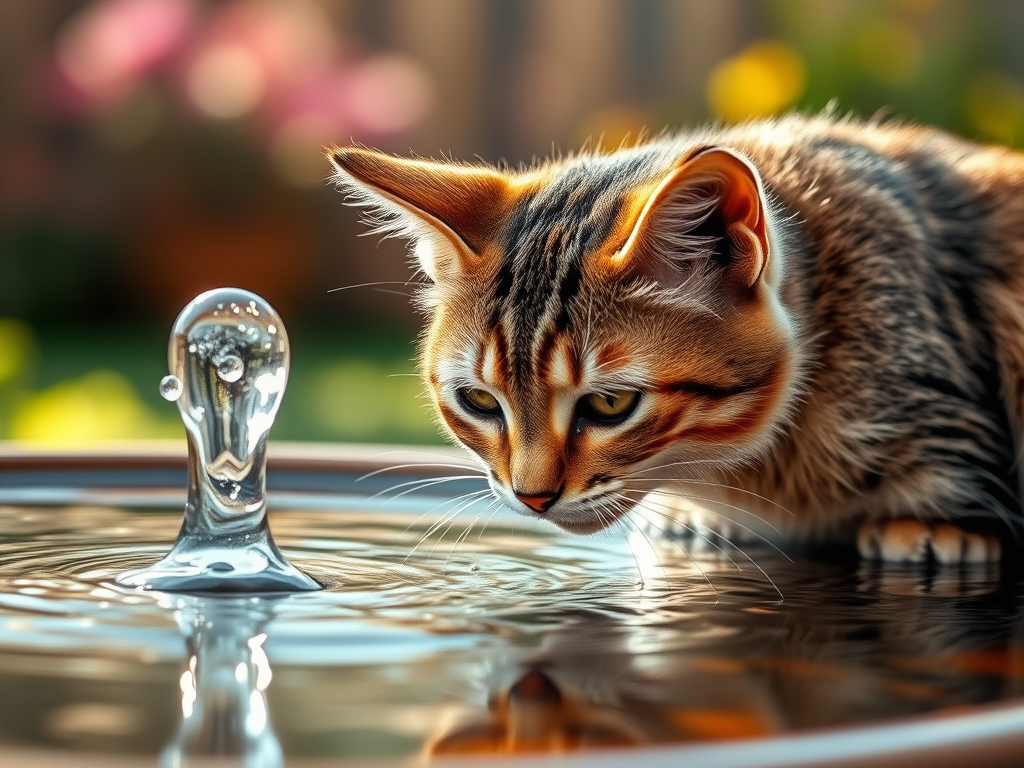
- Provide fresh water always—cats especially need multiple bowls or fountains.
4) Hygiene Care
- Bathing: Dogs once/twice a month; cats only as needed.
- Brushing: Prevent matting, maintain skin health.
- Nail trimming: Prevent joint and mobility issues.
- Dental care: Use dental chews, brushing when possible.
5) Exercise & Play
- Dogs: 30–60 minutes of walking daily.
- Cats: Play with towers, scratchers, toys.
- Enrichment: Balls, laser pointers, puzzle feeders.
➡ Lack of activity = obesity & stress.
6) Environment Management
- Pet-proof home: hide wires, remove small objects.
- Resting spots: comfy dog beds, tall cat towers & hiding spaces.
- Temperature care: protect from heat in summer, cold in winter.
7) Behavior Training
- Toilet training with rewards, not punishment.
- Socialization: gradual exposure to people & environments.
- Behavior issues (barking, scratching, biting) → find root cause, not scolding.

8) Owner Mindset
- Responsibility: Pets are lifetime family, not a hobby.
- Love & attention: Care beyond food—bonding is key.
- Learning: Keep studying pet health & behavior to improve care.
Conclusion
Caring for a pet means taking responsibility for their health and happiness. Go beyond feeding—include wellness, play, safety, and emotional care. With small, consistent acts of love, your bond with your furry family will grow stronger every day.
 THEDNF's blog
댓글 남기기