Introduction
Clutter steals time, space, and mental energy. Minimalism isn’t about empty rooms; it’s about removing the non-essential so the essential can shine. Here’s a clear, practical guide to declutter your home and mind.
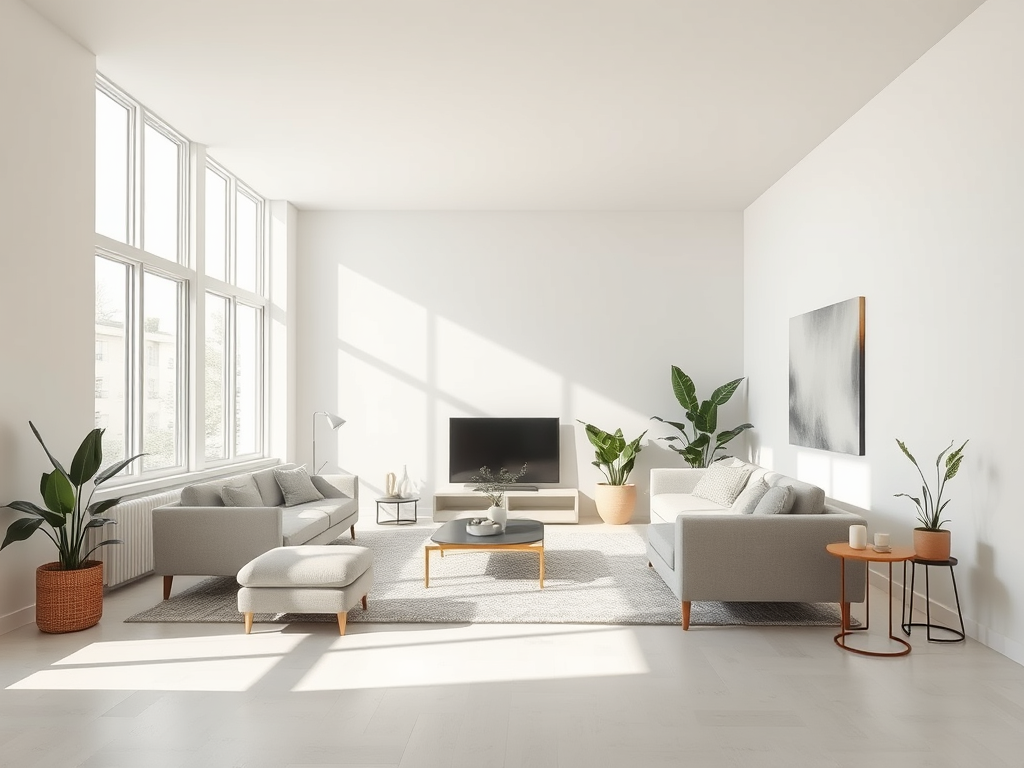
1) What Decluttering & Minimalism Mean
- Decluttering: Remove what you don’t need and return necessities to their place.
- Minimalism: Reduce the unnecessary and focus on what truly matters.
- It’s not just cleaning—it’s a reset for your lifestyle and mindset.
2) Why You Need It
- Save time: No more hunting for lost items.
- Lower stress: Clean spaces calm the brain.
- Spend wisely: Avoid duplicate purchases and impulse buys.
- Improve quality of life: More focus on health, hobbies, and relationships.
3) Core Decluttering Principles
- Small scopes win → One drawer, one shelf, one category.
- Use-it test → Not used in 12 months? Donate, sell, or recycle.
- Category-first → Clothes → books → kitchenware → papers → sentimental.
- Smart storage → Prioritize easy access when needed over “display.”
4) Minimalism in Practice
Wardrobe Diet
- Remove anything unworn for a year.
- Keep a neutral capsule: white shirt, jeans, black jacket, comfy shoes.
Digital Minimalism
- Delete unused apps, unsubscribe from promo emails, limit SNS time.
- Folder your home screen; turn off non-essential notifications.
Conscious Spending
- Cart-and-wait for 24 hours.
- Buy quality over quantity; prefer experiences to things.

5) Room-by-Room Ideas
- Living Room: Fewer decor items; choose multi-purpose furniture.
- Kitchen: Remove duplicates (extra spatulas, cups); keep counters clear.
- Bedroom: Minimal furniture, warm light, no “chair of doom” for laundry.
- Study: Donate unread books, switch to ebooks/notes, cable management.
6) Benefits You’ll Feel
- Lighter home → more open space.
- Lighter mind → better sleep and focus.
- Lower spending → only buy what aligns with your values.
- Higher productivity → fewer distractions.
7) Make It Sustainable
- One-in, one-out rule.
- Seasonal audits (spring/fall).
- Weekly 10-minute resets.
- Share goals with family so habits stick.
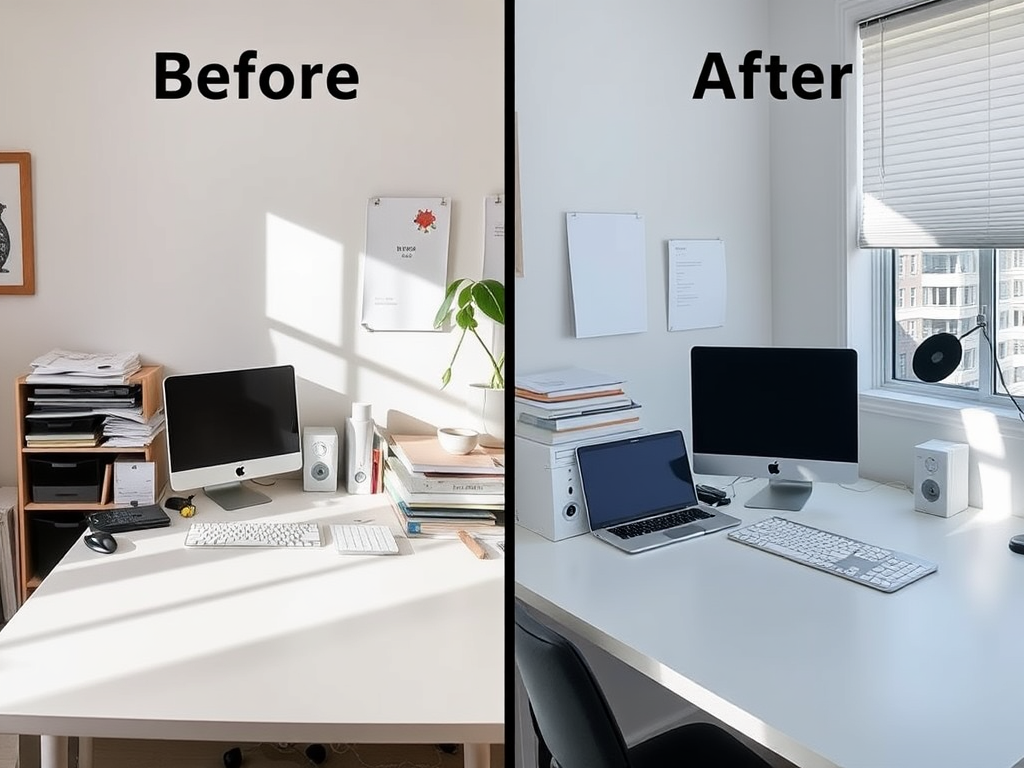
8) Life Changes You Can Expect
- Simpler routines, more free time.
- Clearer priorities and stronger relationships.
- Space—physically and mentally—for what you truly want.
Conclusion
Minimalism isn’t less for the sake of less; it’s less of what doesn’t matter, more of what does. Start with just one surface today. Small, consistent actions compound into a lighter, richer life.
 THEDNF's blog
댓글 남기기